Troubleshooting Common Issues in Flatwork Ironers
Flatwork ironers are essential in commercial laundry operations, providing a crisp finish to sheets, tablecloths, and other linens. However, like any machinery, they can encounter issues that disrupt workflow and productivity. This comprehensive guide to flatwork ironer troubleshooting aims to equip laundry operators with the insights needed to resolve these common challenges efficiently.
Understanding Flatwork Ironer Issues
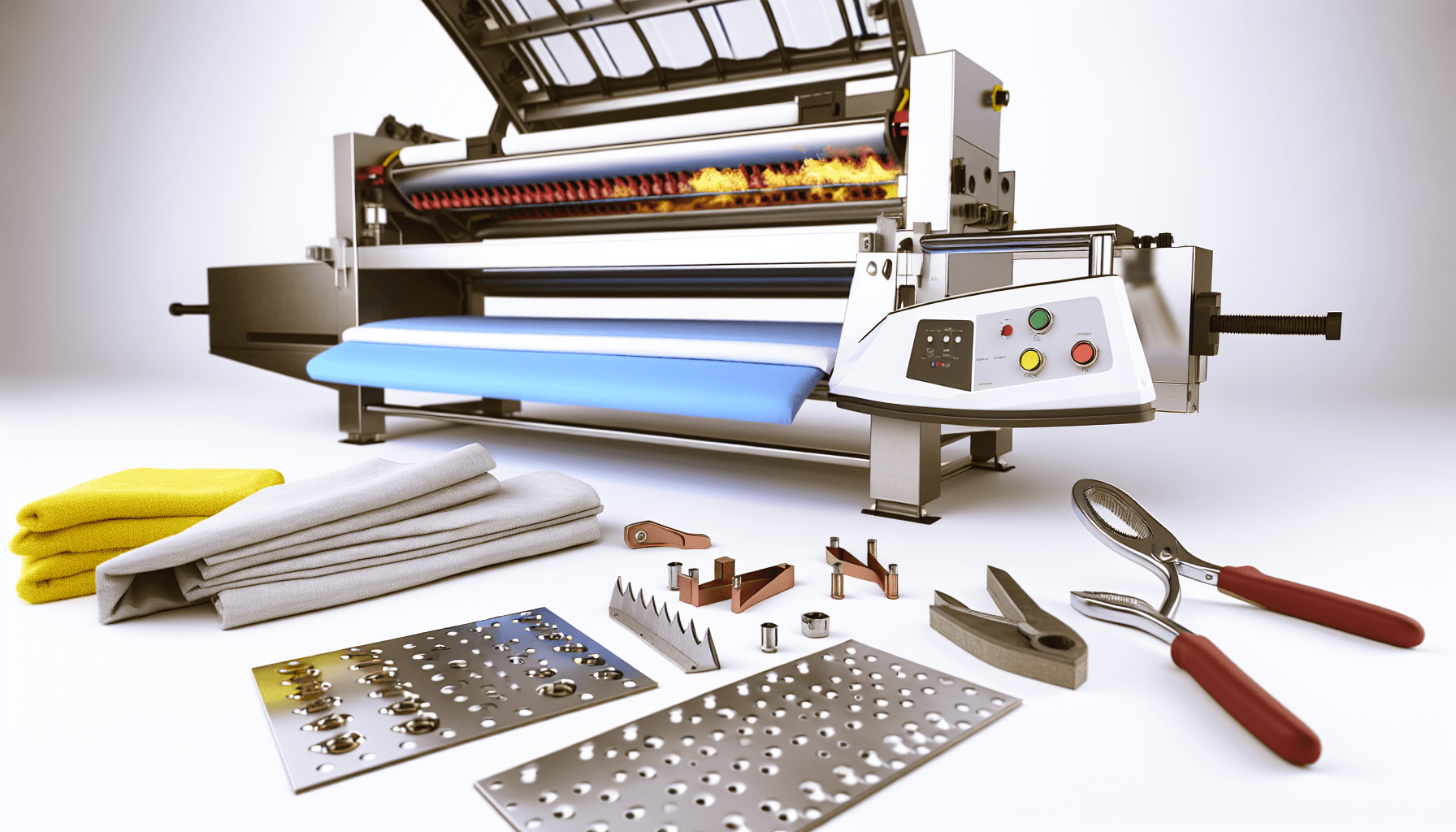
Before diving into specific issues and their solutions, it’s crucial to have a basic understanding of how flatwork ironers operate. These machines use heated cylinders to press linens, with the help of padding, covers, and ribbons. Over time, wear and tear or incorrect usage can lead to malfunctions.
Common Issues in Flatwork Ironers
Here are some typical problems that operators might face:
- Poor heating performance
- Uneven ironing quality
- Frequent jams and fabric misfeeds
- Excessive energy consumption
- Padding and cover wear
Flatwork Ironer Troubleshooting Tips
Poor Heating Performance
Poor heating performance can result in improperly pressed linens. This issue often arises due to a malfunctioning thermostat or heating element. Here’s how to troubleshoot:
- Check the thermostat settings to ensure they are adjusted according to the fabric type being processed.
- Inspect the heating elements for signs of damage or degradation, and replace them if necessary.
- Ensure there is no obstruction in the ventilation system, as this can hinder heat distribution.
Uneven Ironing Quality
Uneven results can significantly affect the appearance of finished linens, often caused by uneven pressure distribution or worn-out covers and paddings:
- Regularly inspect and replace padding and covers to maintain consistent pressure across the roller.
- Check for imbalanced loading, as unevenly distributed fabric can affect quality.
- Ensure the rollers are evenly and correctly aligned with no obstructions.
Frequent Jams and Fabric Misfeeds
Fabric misfeeds can slow down operations and lead to equipment damage. Here's what you can do:
- Regularly clean the feed board and ensure it is clear of debris that could catch the fabric.
- Check for snags or defects in the feed ribbons and replace them if they are worn or frayed.
- Ensure employees are trained on proper feeding techniques to avoid overloading or improperly aligned linens.
Excessive Energy Consumption
High energy bills can be a significant concern for any laundry operation. To address this:
- Regular maintenance of heating elements can prevent energy wastage due to overworking components.
- Implement a scheduled maintenance program that includes checking all parts of the ironer for wear and efficiency.
- Ensure that the ironer's speed and temperature settings are optimized for the types of fabrics being processed to avoid unnecessary energy use.
Padding and Cover Wear
Padding and cover deterioration can affect ironing quality and cause machine downtime:
- Schedule regular inspections and replacements of padding and covers to maintain optimal performance.
- Use high-quality, durable materials designed to withstand the specific conditions and demands of your laundry operations.
- Keep a stock of spare parts, such as belts and ribbons, to minimize downtime in case of unexpected wear or damage.
Conclusion
Effective flatwork ironer troubleshooting ensures seamless operation and optimal output quality in commercial laundry settings. By proactively addressing heating issues, maintaining even ironing quality, preventing jams, optimizing energy use, and regularly replacing worn parts, operators can maintain productivity and extend the lifespan of their equipment. Remember, the key to avoiding these issues lies in a diligent approach to maintenance and staff training, ensuring that your operations run smoothly and efficiently.